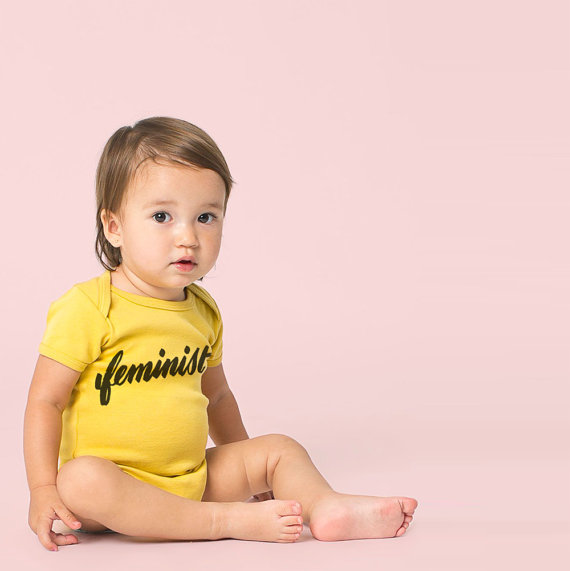
There are many suggestions when it comes to feminist parenting. I found a list of some qualities of feminist parenting on “Bustle.com.” I would like to take a look at a select few today.
The first thing that feminist parents do differently is demonstrate a respectful relationship with their partner. This means they share housework evenly, split the power dynamic, and set a good example in respecting their partner. This idea shows children how to be part of a respectful relationship. It also teaches their children to stand up for themselves and what a healthy relationship looks like.
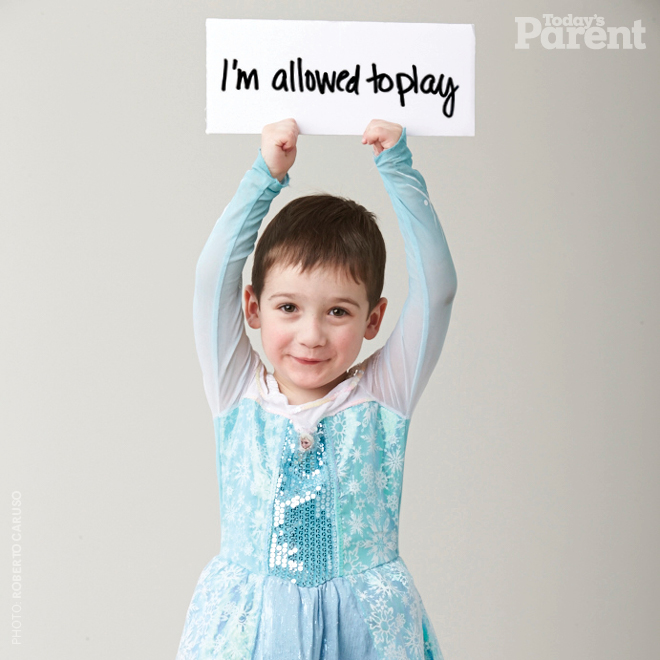
This article also talks about toys and activities should not be considered gender-specific. This suggests that parents should let their children play with toys and participate in activities of their choice. It is avoiding society’s pressures to label them as one another. A feminist parenting lets their son take dance classes and their daughter play with a tool kit. This does not mean the parents have to force their kids one way or another, but to play naturally and freely. This allows children to learn that they can do whatever they want.
One of the most important things that feminist parents do, in my opinion, is be body positive. They work to have good self-image and encourage their children to love themselves. It is focusing on the good in themselves and others. Feminist parents want their children to learn to love themselves in any stage of life and to appreciate how others look regardless of negative stereotypes. Feminist parents teach their children to accept and love people as they are.
There’s just a few more tips I would like to share with this blog. These are tips that I find to be extremely important and pivotal in my own feminist upbringing.
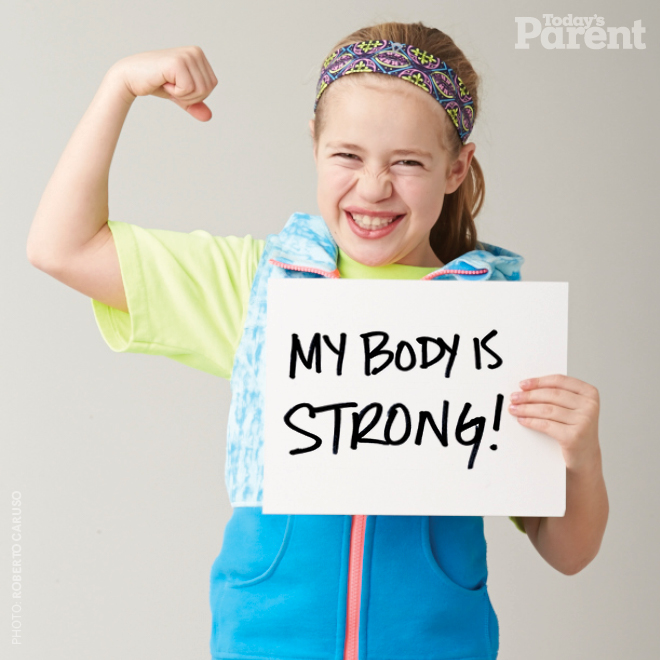
I would first like to talk about body shame. It has been normalized for adults to hate their bodies – always wanting to change, always comparing ourselves. This is no example to set for our children! We want to create a more body positive world and it begins with us. Children see how we look and talk about ourselves. Inspire your children to love their body, just as it is. Teach them how capable and strong their bodies are. Creating acceptance in ourselves and our children, helps spread this view. If they know how to love and accept themselves, they learn how to do it for others too! This is the kind of positivity we hope to see, and this is how to accomplish it.
Next is to listen to your children and learn from them. As they grow older they will start to express their needs and interests. This does not only pertain to toys, but also social issues, for example. Expose them to the world and teach them about what they find interest in. Let them explore what they care about. Help them foster passion. The article mentions Malala and Greta, both young role models who have supportive parents behind them. They are making a difference because their parents let them dig deep.
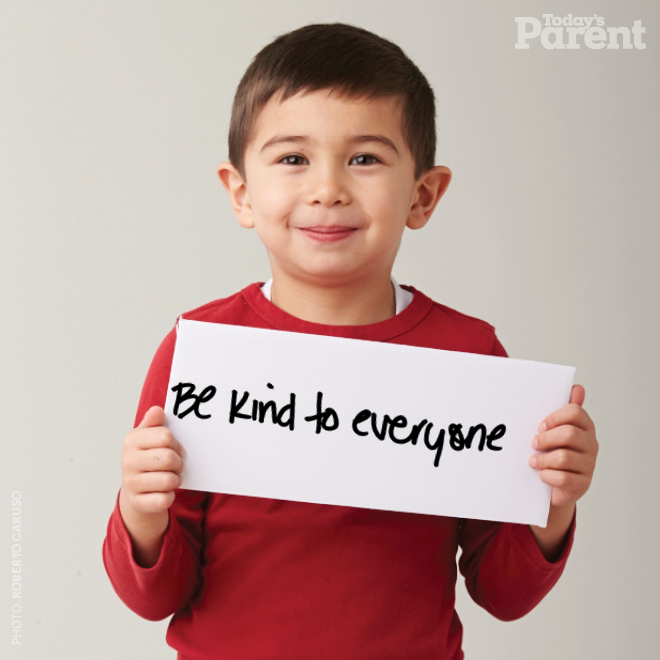
What played the biggest role in my childhood feminism was the ongoing discussion about it. In my house we talked about feminism. Maybe we did not use that exact word, (though it doesn’t hurt to!) but my parents taught my sisters and I about women’s rights and our ability to change the world. They talked about the importance of diversity and being kind to everyone. They taught us how to accept people for their differences. In a way, I learned to idolize those who were different than me, because I had something to learn from them. We were exposed to a variety of role models and were encouraged to explore. I truly feel like these lessons turned me into who I am today: A proud feminist.
Raising a feminist is no easy feat. Here are a few challenging steps that will be life changing for your children.
The hardest of these suggestions, at least I think, is to fight stereotypes. This begins with us. We must reject all stereotypes including our own. Challenge what you know and teach your children to do the same. Do not pass down the judgements you have been taught: it will defeat your purposeful thinking. The world is full of stereotypes, do not be afraid to point them out. Acknowledge “all (blank)” statements and prove them wrong. Do not attempt to avoid stereotypes altogether, because you will fail. Our culture is cluttered with them, and it is up to you to see them and tell your children about the faultiness of them. It is so important to acknowledge not avoid! Please remember this.
Moving on is the tip to let your children form friendships with the opposite gender. Enforcing same-sex only friendships enforces gender stereotypes. The article discusses birthday parties and the importance of inviting children of the other gender. Teaching your children to become friends with anyone helps teach them the uniqueness of everyone. It does not limit their understanding of other people. This helps them get to know people of all different backgrounds and interests. This is crucial to understanding others and gaining a greater perspective. Being a feminist parent means letting your children make their own decisions (within reason.) It is important to encourage friendships with people of another gender, so that they know they are not limited to hanging out with people of their “likeness.”
Yet another battle worth fighting is “pay(ing) attention to what happens outside your home.” While we know we cannot complete control the influences put upon our children, we can still counteract them. Take school for example. It is commonplace for textbooks to focus on the men in history and neglect the women. We cannot necessarily control what our children are taught at school, but we can control what they are taught at home. It is important to help kids fill in the gaps. Say they learned about the Civil Rights movement at school. They know Martin Luther King’s name, but what about Rosa Parks and other female advocates? Pay attention to what your kids are learning, and do your best to include all sides of the story, This should help equalize children’s understanding of both gender’s ability.
The last step this article suggests is to “follow your child’s lead.” This applies to things like toys. Do not focus on the “gender” of the toy, but your child’s interest. If they are a boy and they like to play with “girl toys.” Let them! But do not force them. Give children equal opportunity when it comes to selecting their interests. Do not let them or yourself be misguided by the label. Give them a variety of toys to begin with, then as they select their favorite, tailor to that rather than matching gender of the toys. Let kids be kids. Tailor their life to them not to a stereotype. A feminist parents will always promote the child’s desires over a stereotypical idea. This kind of thinking will only benefit your child and give them a greater shot at success.
This article talks about four main goals to consider when it comes to feminist parenting.
The first being respect for self. In detail, this has to do with respect for one’s body, feelings, and choices (including gender and sexuality.) Feminist parents should demonstrate these skills for their children. In my opinion, this can be done by teaching children to set boundaries for themselves physically. Teach your children that it is okay to not like hugs and touching. Teach them that it is up to them that their feelings are valid. And teach them that their choices are theirs, and to demand respect for themselves.
The next goal discussed is respect for others. At face value this is easy to say. Teach them to respect others like they’ve learned how to respect themselves. In order to teach respect for others, it is important to note a few lessons. Parents must talk with their children about how to describe their feelings to others. First, they must know how to understand their own feelings, which they should learn through respect for self. Then, it is important that they learn how to share these feelings with others (and learn how to listen to others.) With this, they should learn empathy and the ability to apologize. Understanding their own feelings is important on its own, but it is equally important that they understand others. They must learn how to understand the effects of their actions and how they may make others feel. With this, they can learn how to give sincere apologies. Part of giving an apology and understanding other people’s feelings is being able to swap perspectives. This is crucial to understanding the other side of the story. This reflects feminism because it has to do with relating to others. Teach your children these skills, and they will have caring hearts and a greater perspective. Both are crucial in staying true to feminism.
On top of all this is the respect for diversity. Everyone is different. It is important to acknowledge these differences and teach children to accept them, rather than avoid them. The most important part of this lesson is exposure. Expose children to those different from what they know, and expose them to media with this kind of representation. Normalize diversity. Teach children who they are and what they know is not all that there is in the world. If we teach the future generation that different is okay, we will create a more diverse and understanding culture. This goes along with acknowledging differences, but pointing out what they have in common. Say another child comes from a family in a different class, teach them that it is okay to have differences, as in being able to afford different clothing choices, but to focus on what they have in common. Focus on the similarities, as in common interests, rather than how they differ. Diversity is a difficult concept for many, but teaching children how to understand and accept it can change the world.
Along with teaching children about respect (for themselves, others, and diversity,) it is important to teach children life tools. These include critical thinking, non-violent communication, and the art of happiness. If a child can become wise enough to internalize the importance of these types of respect and these life tools, they become an unstoppable leader. They will gain respect from their peers and will have a greater chance of a better life. The lessons you teach them are essential to their personal success. So do not be afraid to step outside the box of normalized parenting and bring some feminism into the mix. It will not hurt your children, but help them immensely. Think of the future, and create in your child the world you want to see.



 A Feminist Parenting Blog